Camden Council rules for disposal by Kentish Town cleaners
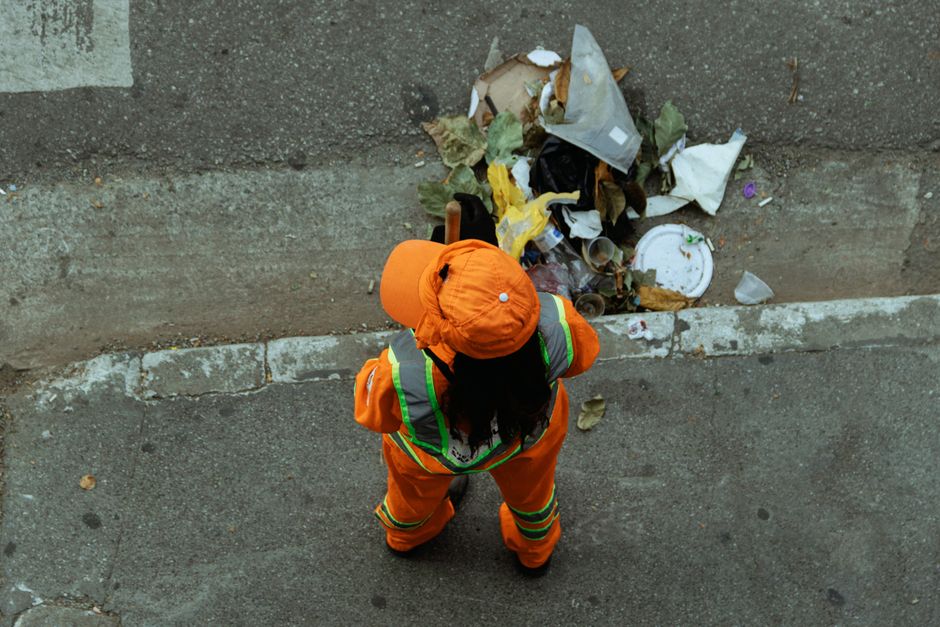
If you are arranging a clean in Kentish Town, the disposal side can be the part that catches people out. It sounds simple enough: remove waste, bag it, and move on. But Camden Council rules for disposal by Kentish Town cleaners can affect what gets taken away, how it is separated, and whether anything must be handled as general waste, bulky waste, or a special case. Get it wrong and you can end up with delays, extra costs, or a mess that looks tidy for ten minutes and then becomes a problem later. In practice, the best cleaning jobs are the ones where disposal is planned before the first cloth comes out.
This guide explains the practical reality in plain English: what matters, how cleaners usually work within local expectations, what clients should ask for, and how to avoid the awkward bits nobody enjoys. You will also find a step-by-step process, a checklist, and a few real-world scenarios from everyday cleaning jobs. If you are comparing providers, it is worth looking at the cleaner's approach to recycling and sustainability as well as their wider health and safety policy. That small bit of homework can save you a lot of hassle. Honestly, it usually does.
Why Camden Council rules for disposal by Kentish Town cleaners Matters
Disposal is not just the final tidy-up. It shapes the whole job. When cleaners in Kentish Town are working in homes, flats, shared buildings, offices, or short-let properties, they need to know which items can go in standard waste, which should be set aside for recycling, and which may need separate collection or the client's approval. In a borough like Camden, space is tight, access can be awkward, and bin stores are often shared. That means a careless approach can quickly annoy neighbours or building managers.
It also matters because disposal affects presentation. A beautifully cleaned flat can still feel unfinished if the rubbish bags are left in the hallway or the recycling is mixed with general waste. You notice it straight away. The smell, the clutter, the sense that the job stopped just short of done. For end-of-tenancy work, that can be especially sensitive. Tenants want evidence of a proper handover, and landlords want the property ready for the next person without surprises. If you need this sort of deeper handover clean, the standards usually overlap with end-of-tenancy cleaning and sometimes move-out cleaning, where disposal planning is part of the job rather than an afterthought.
There is also a safety angle. Broken glass, old packaging, dust from renovations, food waste, used cleaning cloths, and heavily soiled materials should not all be treated the same way. A cleaner who sorts waste properly is usually a cleaner who pays attention elsewhere too. That is not a guarantee, of course, but it is a very good sign.
Expert summary: good disposal practice protects the property, keeps the job compliant with local expectations, and makes the finished clean feel properly finished. It is one of those unglamorous details that quietly separates a decent service from a careless one.
How Camden Council rules for disposal by Kentish Town cleaners Works
At a practical level, disposal usually follows a few simple questions. What is the item? Is it ordinary household waste, recyclable material, bulky rubbish, or something that needs special handling? Where is it being removed from, and how will it be taken out of the building? Does the client want items left in a designated area, or taken away entirely? Those questions sound basic, but they shape the whole process.
For routine domestic cleaning, cleaners normally keep disposal limited to the agreed scope. That might mean bagging up waste from bins, removing light clutter that has been specifically authorised, and separating recyclable items where possible. For a more involved service such as deep cleaning or after builders cleaning, there may be more dust, packaging, protective film, broken fixings, or renovation debris to sort out. That is where the rules and the practical workflow start to matter a lot more.
In Kentish Town, access is often the hidden variable. Narrow stairwells, no lift, basement flats, controlled entry, and busy communal corridors all make waste movement slower and more delicate. A cleaner who knows the local rhythm will plan bags, containers, and exit routes before starting. No one wants to drag a leaking bin bag through a freshly vacuumed hallway. It is the kind of thing that makes people wince.
Good cleaning companies also think about the wider waste chain. They will usually separate recyclables where this can be done cleanly and safely, avoid leaving items on pavements, and follow building-specific instructions if the property has a concierge, refuse room, or scheduled collection routine. If they handle upholstery, carpets, or mattresses, the waste question can be different again. A stained rug or old sofa may be linked to a dedicated service such as rug cleaning or sofa cleaning, but disposal still has to be discussed if the item is beyond saving.
Key Benefits and Practical Advantages
When disposal is handled well, the benefit is not just compliance. It is momentum. The whole job runs more smoothly, and the finish feels calm instead of rushed.
- Cleaner final presentation: no leftover bags, no stray dust piles, no forgotten packaging in the kitchen corner.
- Lower risk of complaints: neighbours, landlords, and building managers are less likely to raise issues when waste is handled properly.
- Better hygiene: food waste, pet mess, and contaminated materials are dealt with sensibly rather than left around.
- Improved efficiency: the cleaner can work faster when the disposal route and waste type are planned from the start.
- Less confusion for clients: everyone knows what is included, what is excluded, and what may need separate collection.
- Better sustainability outcomes: recyclable and reusable items are more likely to be separated correctly.
There is also a trust benefit that people sometimes overlook. A company that is careful about waste is usually more careful about keys, access, furniture protection, and safe working. It all sits in the same mindset. For commercial settings especially, disposal discipline can be just as important as surface cleaning. That is one reason many clients pair these needs with commercial cleaning or office cleaning, where shared spaces and daily operations demand consistency.
Who This Is For and When It Makes Sense
This topic matters to a few different groups, and each has slightly different expectations.
Homeowners and tenants want reassurance that the property will be left in decent shape, with waste removed or contained correctly. If you are moving, that can include packaging, broken items, old cleaning products, or the awkward stuff that accumulates in cupboards over years. Truth be told, everyone has one drawer like that.
Landlords and letting agents care about handover standards. They need a clean that looks ready for immediate occupation. Disposal instructions need to be clear because rubbish left behind can trigger delays, complaints, or a second visit. For that kind of property turnover, services like move in cleaning and move out cleaning often include more detailed waste handling conversations than a standard weekly clean.
Business owners and site managers need to keep public areas safe and unobstructed. That includes offices, communal lobbies, shared corridors, and retail units. If waste is not controlled, it can affect staff safety and the customer experience. This is particularly relevant for communal area cleaning and commercial carpet cleaning, where foot traffic and scheduling make everything a bit more delicate.
Hospitality hosts often need fast turnarounds. A short-let property can go from guest use to fresh arrival in a very small window, and disposal has to happen without leaving evidence of the previous stay. If the place has pet hair, food waste, or heavily used soft furnishings, that usually means planning disposal alongside airbnb cleaning or domestic cleaning.
Step-by-Step Guidance
If you want a cleaner, simpler result, follow a process. It does not need to be complicated.
- Identify the waste types first. Separate everyday rubbish, recyclables, bulky items, and anything potentially contaminated. A quick sort at the start saves confusion later.
- Confirm what the cleaner is allowed to remove. Some jobs include only bagged waste from the clean itself. Others may include light decluttering, but only if agreed in advance.
- Check access and exit routes. In flats and shared buildings, the route from the property to the bin store or collection point matters a lot. Tight stairs and communal hallways change the plan.
- Use the right sacks or containers. Overfilled bags tear. Leaky bags are worse. Double-bagging heavy or damp waste is often a sensible move.
- Keep recyclables clean where possible. Contaminated recycling often ends up treated as general waste, so separating items only helps if they are suitable for recycling.
- Handle hazardous or specialised items separately. Broken glass, sharp metal, chemical products, batteries, or large electrical items should not be casually bundled together.
- Leave the property in a final sweep state. Once disposal is done, the cleaner should do one last walkthrough so nothing obvious is left behind.
- Document anything unusual if needed. For landlords, agents, or commercial clients, a quick note about removed items can prevent disputes later.
That might sound like a lot, but in real life it usually takes only a little forethought. The payoff is that the clean looks finished rather than half-finished.
Checklist for the disposal stage
- Waste types identified before cleaning starts
- Removal scope agreed with the client
- Access route checked
- Separate bags or containers prepared
- Recyclable items sorted where suitable
- Sharp or contaminated items isolated
- Final walkthrough completed
- Client informed of any exceptions
Expert Tips for Better Results
In our experience, the best waste-handling jobs are the boring ones. No drama, no improvising, no heroic last-minute trips down three flights of stairs with a bag that should have been split in half. Just methodical work.
Tip 1: Ask about disposal before the quote is accepted. If you are getting prices, make sure the cleaner understands whether disposal is included. This is especially useful for larger jobs or properties with clutter. If you want to compare options sensibly, the company's pricing and quotes information should make the scope reasonably clear.
Tip 2: Be honest about the mess level. Clients sometimes understate the amount of rubbish because they feel awkward. Fair enough, it happens. But a cleaner can only plan around the truth, not the polite version of it.
Tip 3: Use disposal alongside the right service type. If you are dealing with post-renovation dust, old sealant, packaging, and paint residue, a standard clean may not be enough. Pairing the job with one-off cleaning or a more targeted service can help the cleaner plan properly.
Tip 4: Protect shared spaces. If the property has communal carpet, lifts, or entrances, let the cleaner know. Waste movement through shared areas should be minimal and controlled. That is common sense, but it is worth saying out loud.
Tip 5: Keep sustainability realistic. Recycling is great when items are clean and suitable. If a material is contaminated or unsafe, the priority shifts to proper disposal. That is the sensible approach, not the perfect-seeming one.
Common Mistakes to Avoid
Most disposal problems come from one of a few familiar habits.
- Assuming everything can be taken away: cleaners cannot just remove anything without agreement. Scope matters.
- Mixing waste types: recycling, general waste, and contaminated items should not be tossed together if you want a proper result.
- Leaving it until the end: if disposal is only discussed after the clean is nearly finished, the whole job becomes clumsy.
- Ignoring building rules: flats, managed blocks, and commercial premises often have site-specific instructions.
- Using weak bags: a split bag is a tiny problem until it becomes a trail of crumbs, liquid, or broken bits across the floor.
- Forgetting about access windows: if waste has to be moved at a particular time, the cleaner needs that information early.
A common one in London is the "we'll just pop it outside later" approach. Let's face it, that is not always practical in Kentish Town. Pavements fill up, bin areas are shared, and what seems harmless can become a nuisance fast. It is much better to agree a proper plan than to improvise on the day.
Tools, Resources and Recommendations
You do not need fancy equipment, but a few basics make disposal cleaner and safer.
- Strong sacks: useful for mixed general waste and anything slightly heavy.
- Separate liners or containers: helpful when sorting recyclables from general rubbish.
- Gloves: a sensible default for handling unknown or dirty waste.
- Trolley or caddy: handy for larger buildings and longer corridors.
- Sealable containers: useful for sharp items or damp materials.
- Clear job notes: a simple list of what is included in the clean and disposal stage.
For clients, the most useful resource is usually the cleaner's own policy pages. A good provider should explain how they approach safety, payments, and complaints in case something is not as expected. That might sound dry, but when a job involves waste handling, clear policies are comforting. You can check practical details through pages such as insurance and safety, payment and security, and the site's terms and conditions. If recycling matters to you, the company's recycling and sustainability approach is worth a look as well.
Law, Compliance, Standards, or Best Practice
This topic sits in the real world of local authority expectations, property rules, environmental responsibility, and general duty of care. Camden-specific requirements can affect how waste is presented and removed, while building rules can add another layer. Because those details can change and different properties are managed differently, it is best to treat the cleaner's disposal process as something that should be confirmed for each job, not assumed.
From a best-practice point of view, the key principles are straightforward:
- Do not leave waste in unsafe or obstructive positions.
- Do not mix materials if separation is reasonable and safe.
- Do not handle hazardous items casually.
- Do not remove client property without permission.
- Do keep routes safe, dry, and unobstructed where possible.
- Do make disposal expectations clear before work begins.
For cleaners, having a written health and safety approach is a sign of maturity, not bureaucracy. It shows the business has thought about real risks: lifting, slips, sharps, contaminated materials, and access issues. For customers, that means fewer surprises. If the property involves a larger clear-out, the separate issue of house clearance may come into play, but that should still be treated carefully and according to the agreed scope. In a busy London borough, best practice is often about being tidy, transparent, and selective. Nothing more glamorous than that, really.
Options, Methods, or Comparison Table
Not every job needs the same disposal method. Here is a simple comparison that helps clients and cleaners choose the right approach.
| Method | Best for | Pros | Limitations |
|---|---|---|---|
| Bag and remove from the property | Routine waste from domestic or office cleaning | Fast, simple, low disruption | Not suitable for bulky or restricted items |
| Sort and separate on site | Mixed waste with recycling potential | Better organisation, more sustainable | Takes longer and needs clearer instructions |
| Client-approved disposal of selected clutter | Move-out or one-off cleans | Helps the property look finished | Must be agreed in advance, item by item if needed |
| Special handling or separate collection | Sharp, contaminated, or bulky items | Safer and more responsible | May need extra time or a different service altogether |
For most Kentish Town homes, the first or second option is enough. For end-of-tenancy, post-build, or commercial jobs, the third and fourth become more relevant. The right method is the one that keeps the property safe and the expectations clear. Simple as that.
Case Study or Real-World Example
Picture a second-floor flat off a busy Kentish Town street on a Friday afternoon. The tenant is moving out, the hallway is narrow, and the bin store is already half full. There is ordinary rubbish from the clean, a few packaging boxes from a new lamp, a broken coat hanger basket, and some old cleaning bottles under the sink. Nothing dramatic. But if everything is bagged together and taken outside at once, the cleaner ends up with heavy bags, mixed materials, and a cluttered exit route.
In that scenario, the cleaner slows things down a bit. The old bottles are separated. The boxes are flattened. The heavier waste is double-bagged. The final sweep happens before the bags leave the flat, not after. The stairwell stays clear. The tenant gets a tidy handover, and the building feels respected rather than used as a dumping ground.
Now compare that with a short-let property after a busy weekend. There may be food packaging, damp cloths, and one or two forgotten items in drawers. The cleaner does not need to make a song and dance about disposal. They just need to work quickly, quietly, and neatly. That is where airbnb cleaning and strong disposal habits line up nicely. No fuss. No drama. Which, in cleaning, is usually the compliment you want most.
Practical Checklist
Use this before the cleaner arrives or before you approve the job scope.
- Have I clearly explained what should be disposed of?
- Do I know whether disposal is included in the quote?
- Are there any bulky, sharp, wet, or contaminated items?
- Are there building rules, concierge instructions, or bin-store restrictions?
- Will waste need to be moved through communal spaces?
- Do I need recycling separated from general waste?
- Have I flagged any fragile or valuable items that should not be touched?
- Is there a final walkthrough planned after the clean?
- Do I need a service that includes more than standard cleaning?
- Have I checked the provider's safety, insurance, and policy details?
If you can answer yes to most of those, you are in good shape.
Conclusion
Camden Council rules for disposal by Kentish Town cleaners are really about one thing: doing the job properly from start to finish. A good clean should not leave uncertainty behind it. It should leave order. That means clear scope, sensible sorting, careful movement through the property, and a finish that feels complete rather than improvised.
Whether you are booking a domestic clean, a move-out, a deep clean, or a commercial service, the disposal conversation is worth having early. It keeps everyone aligned, protects the property, and makes the result more professional. And honestly, it makes life easier for everybody involved. That counts for a lot.
For a smoother experience, choose a cleaner who talks openly about safety, sustainability, and what happens to waste after it leaves the room. That extra clarity is often what turns a decent service into a really good one.
Get a free quote today and see how much you can save.
Frequently Asked Questions
What do Camden Council rules for disposal by Kentish Town cleaners usually affect?
They usually affect how waste is sorted, bagged, moved, and presented for collection or removal. In practice, that means cleaners need to think about general waste, recycling, bulky items, and anything that needs special handling.
Can a cleaner throw everything away during a clean?
No, not automatically. Disposal should be agreed in advance, especially if the job includes clutter, bulky rubbish, or items that belong to the client. Cleaners normally need clear instructions on what is included.
Do cleaners in Kentish Town have to separate recycling?
Where it is reasonable and safe, separating recycling is good practice. But if items are contaminated or mixed with other waste, they may need to go in general waste instead. Clean, dry recyclables are the easiest win.
What happens if the property has no easy access to bins?
That is common in London flats. The cleaner may need to adjust the disposal plan, use a different route, or leave waste in an agreed place for the client or building team to handle. Access should be checked early.
Is disposal included in regular cleaning?
Sometimes yes, sometimes only partially. It depends on the provider and the agreed scope. A routine clean may cover bagging up existing household waste, while larger removal work may cost extra.
How does disposal work during end-of-tenancy cleaning?
End-of-tenancy cleaning often involves more waste than a normal visit, such as packaging, forgotten items, or cupboard contents. The cleaner should know what to remove and what to leave, so the handover stays smooth.
What should I do with broken glass or sharp items?
Keep them separate and tell the cleaner before the job starts. Sharp items should be handled carefully, using proper containment. They should never be mixed casually into a general rubbish bag.
Are there special rules for office or commercial waste?
Yes, usually there are building policies, service schedules, and business expectations that shape how disposal is handled. Office spaces often need waste removed quietly and without interrupting staff or visitors.
Why do some cleaners talk about recycling and sustainability?
Because disposal is part of the overall cleaning standard. A company that cares about recycling usually has a clearer process for sorting waste and reducing unnecessary landfill use where possible.
Should I ask about insurance before booking a cleaner?
Yes. If waste is being moved through the property, or if there are risks from sharp or contaminated items, insurance and safety matter. It is one of those questions that feels dull until you really need the answer.
What is the safest way to avoid disposal problems?
Be specific before the job starts. Explain what needs removing, what must stay, whether recycling matters, and whether the property has any access restrictions. Clear instructions save time and avoid awkward surprises later.
Can disposal rules affect the price of a cleaning job?
They can. If waste handling requires extra time, more bags, special sorting, or access planning, that may affect the quote. The most useful approach is to describe the job honestly and compare like for like.
In the end, the best disposal work is calm, tidy, and almost invisible. That is what people remember, even if they do not say it out loud.