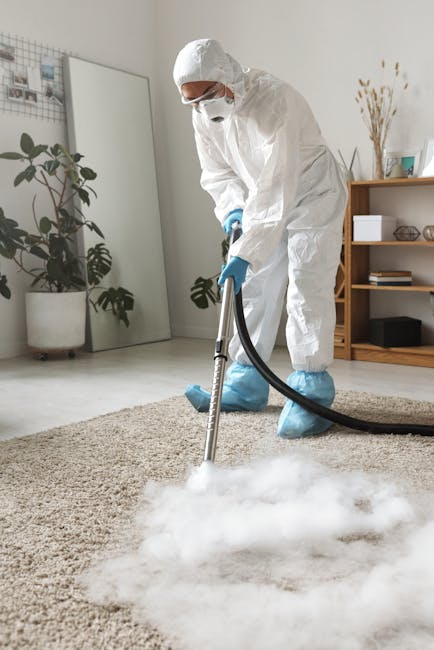
Real cost of emergency carpet cleaning in Kentish Town
If you are searching for the real cost of emergency carpet cleaning in Kentish Town, you are probably dealing with a messy moment rather than a neat little cleaning job. A red wine spill before guests arrive, pet accidents on a Sunday evening, muddy footprints after a leak, or a carpet that smells worse by the hour - these jobs tend to feel urgent fast. And to be fair, they often are.
This guide breaks down what emergency carpet cleaning usually costs, why the price can shift so much, and how to judge whether a quote is fair. You will also see what affects the final bill in a real-world Kentish Town setting, what a proper urgent clean should include, and where people quietly overspend because they are in a rush. Let's make the decision a bit easier.
Why Real cost of emergency carpet cleaning in Kentish Town Matters
Emergency carpet cleaning is one of those services where the headline price rarely tells the full story. A quote may look reasonable at first glance, then suddenly rise once the cleaner sees the stain type, the carpet fibre, the room access, or how long the contamination has been sitting there. In Kentish Town, where homes range from compact flats to larger period properties and busy rented spaces, those variables matter quite a lot.
It matters because the cheapest option is not always the cheapest outcome. A rushed bargain clean can leave moisture behind, spread a stain, or make an odour worse. On the other hand, a well-handled urgent visit can save the carpet, avoid replacement costs, and stop a small problem becoming a bigger one. That is the real calculation.
You also need to think about timing. Emergency callouts often happen out of hours, after a spill during an evening meal, or when a tenant needs a room ready the next morning. You are not just paying for the clean; you are paying for speed, availability, and someone being able to turn up prepared. That convenience has a value, naturally.
For readers comparing services more broadly, it can help to look at the wider service structure too. If you want to understand standard non-urgent pricing and how quotes are usually built, the pricing and quotes page is a useful companion read. And if your issue is part of a bigger deep-clean or property refresh, the broader deep cleaning service can be relevant as well.
Expert summary: The real cost of emergency carpet cleaning is usually a mix of urgency, stain severity, room size, access, and the risk of long-term damage. A sensible quote should reflect all five, not just the clock.
How Real cost of emergency carpet cleaning in Kentish Town Works
Emergency carpet cleaning is usually priced differently from a planned visit because the cleaner has to react quickly. In practice, the process often starts with a short description over the phone or form submission: what happened, when it happened, what the stain is, and whether the carpet is wool, synthetic, or a mixed fibre. That first conversation matters more than people think. A decent cleaner can often tell you whether the job needs stain treatment, hot water extraction, specialist deodorising, or a straightforward spot clean.
Once the cleaner arrives, they will normally inspect the carpet, test the fibres if needed, and identify the contamination. Fresh spills are one thing. Urine, drink stains, grease, blood, and floodwater residue are another. The method, drying time, and product choice all shift the cost. A carpet that looks simple can still require several stages of treatment if the stain has penetrated under the pile. You know how it goes - what you can see is not always the whole story.
There is also the practical issue of access. A ground-floor flat with easy parking is usually quicker to service than a top-floor property with narrow stairs and limited loading space. If the cleaner has to carry equipment through a long communal corridor or up several flights, that extra time can be priced in. In dense areas like Kentish Town, parking and access are not minor details. They can be the difference between a standard callout and a real emergency visit.
If the job is linked to another type of cleaning - say post-tenancy, pet-related, or upholstery spillover - it may also make sense to combine services. For example, a stain on the carpet often comes with a matching issue on a sofa or rug. In those cases, browsing sofa cleaning, rug cleaning, or pet stain odour removal can help you compare the most efficient route.
What usually influences the final bill
- Urgency: same-day, evening, weekend, or out-of-hours visits often cost more.
- Area treated: one spot, one room, or multiple rooms changes the workload.
- Type of stain: simple spills are quicker than protein, grease, dye, or urine stains.
- Carpet condition: heavily soiled carpets take longer and may need pre-treatment.
- Drying support: fast-drying methods or extra ventilation advice may affect the service.
- Access and logistics: stairs, parking, and building layout can affect visit time.
Key Benefits and Practical Advantages
The obvious benefit is speed. When a spill happens, time is the enemy. The sooner a professional gets to work, the more likely the fibres are to recover properly. Fresh liquids can often be extracted before they settle deeply. Odours can be neutralised earlier. That alone can save you money, because a treated stain is usually cheaper than a replaced section of carpet.
The less obvious benefit is confidence. If you are managing a rental, a guest property, or a family home with kids and pets, emergency carpet cleaning reduces the panic factor. You know someone has looked at the issue properly rather than you guessing with a bottle of supermarket spray and a towel. Let's face it, plenty of those DIY fixes are basically just expensive ways of pushing the problem around.
Another practical advantage is damage prevention. Carpets can wick staining upward as they dry, which means a patch that looks better for an hour can reappear later in a dull ring or shadow. Professional cleaning is designed to avoid that trap. It also helps with preserving pile texture, colour consistency, and the general look of the room - especially useful in small Kentish Town flats where one bad mark can dominate the whole space.
For landlords, tenants, and property managers, there is also a cost-control angle. A quick response may reduce complaints, avoid deductions from deposits, or improve a check-in condition report. If the job sits inside a move schedule, you may want to pair it with end of tenancy cleaning or even move out cleaning if the timing is tight.
Who This Is For and When It Makes Sense
Emergency carpet cleaning is not just for dramatic disasters. It is for anyone who needs the carpet sorted quickly before the damage worsens, the room becomes unusable, or a deadline arrives. That includes homeowners, tenants, landlords, letting agents, Airbnb hosts, office managers, and shop owners with carpeted areas.
It makes the most sense when a delay would cost more than the urgent callout. Think of a guest arriving that evening, a deposit inspection tomorrow morning, or an office reception that cannot look and smell wrong by 9 a.m. The cost of waiting is sometimes higher than the cost of the service. Simple as that.
It is also sensible after incidents like:
- wine or coffee spills during a gathering
- pet accidents, especially repeated ones
- mud tracked in during wet weather
- food stains that have started to set
- water leaks that have left damp patches or odour
- smoke or general contamination after a small property incident
In a busy home, an emergency visit is often less about perfection and more about getting back to normal quickly. That normality is worth a lot when you are staring at the carpet in frustration at 8:30 on a Tuesday night.
Step-by-Step Guidance
If you want the best value from emergency carpet cleaning, the process should be calm, not chaotic. A good decision usually follows a few clear steps.
-
Assess the spill or damage quickly.
Note the time, what caused it, how much liquid or residue is involved, and whether anyone has already tried cleaning it. This helps the cleaner decide the right method and avoids guesswork.
-
Blot, don't rub.
Use a clean dry cloth or towel to lift excess moisture. Rubbing can spread the stain deeper into the pile. People do this all the time, usually with good intentions and slightly worse outcomes.
-
Keep the area as dry and open as possible.
If you can ventilate the room safely, do it. Open a window if weather and security allow. Avoid soaking the area with extra water or cleaning product.
-
Describe the issue accurately when requesting help.
Tell the cleaner whether it is a food stain, pet stain, flood residue, or something else. Mention the carpet type if you know it. Honesty here saves time later.
-
Ask what the emergency visit includes.
Clarify whether the quote covers inspection, pre-treatment, extraction, deodorising, and drying guidance. If it sounds vague, ask again. A clear answer is a good sign.
-
Check the likely drying time.
Even a fast clean may still need some drying before the room feels normal again. Planning around this matters if you have children, pets, guests, or working-from-home meetings.
If the issue is broad rather than isolated, it can be helpful to look at related services such as steam carpet cleaning for deeper extraction or stain removal when the mark itself is the main problem. One size does not fit every mess. Sadly.
Expert Tips for Better Results
The best emergency carpet jobs usually start with good information, not magic products. One of the biggest tips is to avoid over-cleaning before the professional arrives. If you use three different sprays, a scrub brush, and half a sink of water, the cleaner may have to deal with the original spill plus the residue from your attempt. That can make the job slower and, yes, more expensive.
Another useful tip is to keep the affected area clear. Move furniture only if it is safe to do so, and do not stand furniture feet on damp carpet. Marks can transfer, edges can distort, and the whole mess becomes more awkward. A clear route into the room also helps the cleaner work faster, which can improve the value of the visit.
It is usually wise to ask how the cleaner handles delicate fibres. Wool, blended fibres, and older carpets can require more careful moisture control than a simple synthetic pile. If a company can explain the method in plain English, that is usually reassuring. If they speak only in jargon, hmm, that is less reassuring.
For recurring spills or regular wear in a property, the cleaner may advise pairing urgent response with a more structured routine. In that case, services like regular cleaning or one-off cleaning may be more cost-effective in the long run.
Common Mistakes to Avoid
The most common mistake is waiting too long. People often hope a stain will fade, dry out invisibly, or somehow stop smelling on its own. It rarely does. Once a liquid reaches the backing or underlay, the problem gets more stubborn. Delay tends to increase both the cleaning difficulty and the final cost.
A second mistake is choosing a service purely on a headline price. A very low emergency quote might exclude callout, stain treatment, or proper drying guidance. Then the "cheap" option becomes the expensive one after all. Ask what is included before you agree. No shame in that.
Another trap is assuming all carpet cleaners use the same method. They do not. Some stains benefit from hot water extraction, some need targeted chemistry, and some need careful low-moisture treatment to protect the fibre. If the cleaner cannot explain why one method is better than another, that is a warning sign.
Also avoid:
- scrubbing fresh spills too hard
- mixing household chemicals on the carpet
- forgetting to mention pets, damp, or previous attempts
- booking without checking access and parking practicalities
- assuming odour will vanish once the surface looks cleaner
Tools, Resources and Recommendations
You do not need a cupboard full of products to handle the moment before help arrives. A few simple items are enough: clean white cloths, paper towels, mild ventilation, and a calm approach. That is usually all you need to stabilise the situation until a cleaner can attend.
For businesses and landlords, it helps to keep a small incident note. Write down the date, room, stain type, and anything already used on the carpet. That little record can speed up quoting and stop repeated cleaning mistakes. Useful, boring, practical - the good stuff.
If you want to understand how a provider works before booking, pages such as about us, insurance and safety, and health and safety policy are worth reading. They help you judge whether the business feels organised, careful, and properly prepared for urgent work.
For sustainable handling of waste water, packaging, and product use, a responsible provider should also have a clear stance on materials and disposal. That is where recycling and sustainability can give a helpful picture of the company's approach.
Law, Compliance, Standards, or Best Practice
For carpet cleaning, the main compliance concern is less about a single dramatic rule and more about sensible UK best practice: using safe products, working carefully around occupants, and respecting property conditions. In homes, flats, and shared buildings, cleaners should act with care around entrances, communal spaces, electrical items, and wet floors. If a service sounds casual about slips, ventilation, or chemical use, that is worth questioning.
In rented properties and managed buildings, it is also wise to keep records of work done, especially if the job is linked to a deposit, an inventory check, or a property handover. Not because every tiny stain is a legal battle, but because clear records reduce arguments. And nobody really wants those.
When emergency cleaning is carried out in a business or communal setting, best practice usually includes:
- clear communication before attendance
- awareness of occupant safety and trip hazards
- appropriate product use for the carpet type
- good ventilation and sensible drying advice
- respect for building access rules and shared areas
If you need reassurance around service expectations, company policies such as terms and conditions, payment and security, and complaints procedure help show how a provider handles money, disputes, and customer care. That transparency matters more than people think when an urgent job is on the line.
Options, Methods, or Comparison Table
Different cleaning methods suit different emergencies. The cheapest method is not always the right one, and the fastest method is not always the safest. Here is a simple comparison to help you weigh up the usual choices.
| Method | Best for | Typical advantage | Watch-outs |
|---|---|---|---|
| Spot treatment | Small fresh spills | Quick and focused | May not solve deeper odour or wicking |
| Hot water extraction | General soiling and set-in marks | Good deep cleaning power | Needs proper drying and fibre awareness |
| Low-moisture cleaning | Delicate areas or faster turnaround | Shorter drying time | May be less effective on heavily embedded stains |
| Odour-focused treatment | Pet accidents, damp smells, stale contamination | Targets smell as well as appearance | Can require more than one stage for best results |
In reality, many emergency jobs blend these methods. A cleaner may pre-treat a stain, extract the residue, then treat the odour or finish with a careful rinse. That layered approach is often what separates a decent result from a disappointing one.
Case Study or Real-World Example
Here is a realistic Kentish Town scenario. A tenant spills a dark drink in a living room after an evening with friends. By the next morning, the mark looks smaller on the surface but darker around the edges. There is also a faint smell, which tends to make the whole room feel worse than it looks.
The tenant calls for emergency carpet cleaning and explains the spill, the carpet type if known, and whether any products were used overnight. The cleaner arrives, inspects the affected patch, and notes that the liquid has begun to wick into the pile. Instead of simply scrubbing the top, the cleaner uses a stain-specific pre-treatment and extraction process, then gives drying advice for the rest of the day.
The important part here is not that the carpet becomes brand new. It is that the stain does not spread, the smell is controlled, and the room can be used again without panic. The cost is higher than a routine visit would have been, but much lower than replacing a section of carpet. That is the kind of comparison worth making.
In another common case, a small office in Kentish Town has a spill in the reception area just before opening. The manager needs a quick turnaround, not a perfect laboratory finish. A rapid emergency clean keeps the space presentable, avoids disruption, and helps staff get on with the day. A little practical calm goes a long way.
Practical Checklist
Use this before you book emergency carpet cleaning:
- Identify what caused the stain or odour.
- Note when it happened and what has already been done.
- Blot excess liquid gently with a clean cloth.
- Avoid scrubbing or using mixed chemicals.
- Check whether the carpet is wool, synthetic, or unknown.
- Confirm access details, parking, stairs, and building entry rules.
- Ask what the price includes, especially for callout and treatment.
- Ask about drying time and whether ventilation is recommended.
- Check whether related items, like rugs or upholstery, also need help.
- Keep any previous cleaning products listed, if you used them.
That checklist sounds basic, but honestly, it saves people time and money more often than not.
Get a free quote today and see how much you can save.
Conclusion
The real cost of emergency carpet cleaning in Kentish Town is not just about the time a cleaner arrives. It is about how urgent the issue is, how much damage the carpet has taken, how complex the stain is, and how much convenience you need right now. A fair price should reflect those realities clearly, without hidden extras or vague promises.
If you remember only one thing, make it this: speed matters, but clarity matters too. Ask what is included, explain the problem properly, and choose the method that fits the stain rather than the cheapest-sounding option. That approach usually protects both your carpet and your budget. And that is the balance most people are really looking for.
When a spill or odour has thrown the day off, the right help can make the room feel calm again. Small relief, but real relief.
Frequently Asked Questions
What is the real cost of emergency carpet cleaning in Kentish Town?
The real cost depends on urgency, stain type, carpet size, access, and whether the job needs specialist treatment. Emergency work usually costs more than routine cleaning because it is faster and often out of hours.
Why do urgent carpet cleaning quotes vary so much?
Because no two emergency jobs are the same. A fresh coffee spill in an easy-access flat is very different from a pet accident in a top-floor property with old carpet and lingering odour.
Is same-day carpet cleaning always more expensive?
Usually, yes. Same-day, evening, and weekend callouts tend to carry a premium because the cleaner is rearranging the schedule and travelling quickly to you.
Can I remove a carpet stain myself before the cleaner arrives?
You can blot the area gently with a clean cloth and keep it dry. Avoid rubbing, soaking, or mixing chemicals. Overdoing it can make professional cleaning harder later.
How soon should I book after a spill?
As soon as possible. The longer a stain sits, the more likely it is to set into the fibres or backing. Fast action often reduces the final cost as well as the risk of permanent damage.
Does pet odour cost more to remove than a normal stain?
Often it does, because odour can reach deeper into the carpet and sometimes into the underlay. Services focused on pet stain odour removal may need extra treatment stages.
Will emergency carpet cleaning damage my carpet?
It should not, if the cleaner uses the right method for the fibre type and condition. Good providers test carefully and choose products and moisture levels that suit the carpet.
How long does a fast carpet clean take?
That depends on the size of the area and the type of stain. A small emergency spot clean may be relatively quick, while a larger or more complex job will take longer, especially if drying support is needed.
Should I choose steam cleaning for an emergency?
Sometimes, but not always. Steam carpet cleaning is often useful for deeper extraction, though the right method depends on the carpet fibre, contamination, and drying time needed.
What should I ask before approving an emergency quote?
Ask what the price includes, whether there is a callout fee, what method will be used, how long the carpet will take to dry, and whether the cleaner has handled similar stains before.
Is emergency carpet cleaning worth it for landlords and tenants?
Very often, yes. It can reduce replacement costs, protect deposits, and make a property presentable again quickly. In rental situations, a quick response is usually easier than dealing with an unresolved stain later.
What if the carpet smell comes back after cleaning?
That can happen if the source of the odour is deeper than the surface. The cleaner may need to revisit the affected area, use a different treatment, or address hidden moisture underneath.
How do I know if a quote is fair?
A fair quote should explain the urgency premium, the treatment method, and any extra work needed for access or drying. If everything is bundled into one unexplained number, ask for a clearer breakdown.
Can emergency carpet cleaning be combined with other services?
Yes, and that can be efficient. Depending on the property, you might combine it with sofa cleaning, rug cleaning, or one-off cleaning if several areas need attention at once.